Introduction to Silver Jewellery Certification

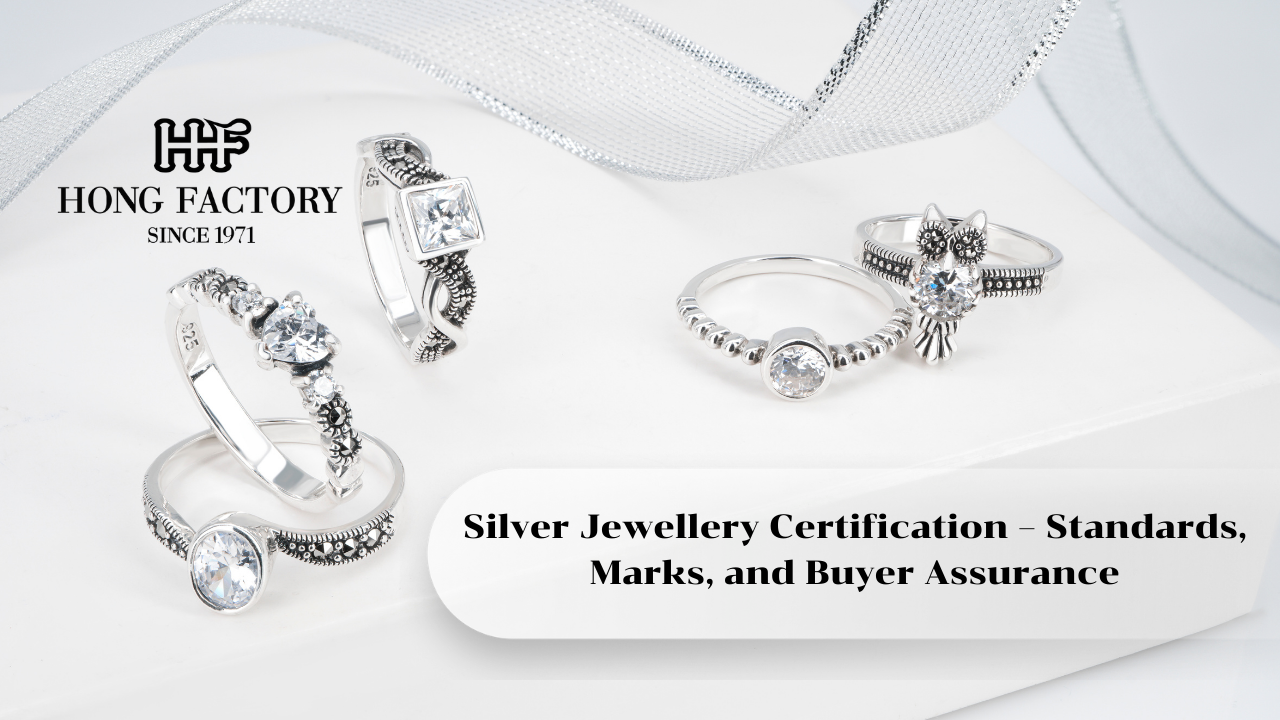
Silver jewellery certification plays a vital role in building trust between sellers and buyers. Certification confirms silver purity, quality standards, and compliance with recognized regulations. For businesses and consumers alike, certified silver jewellery provides confidence, transparency, and long-term value. 925
What Silver Jewellery Certification Means
Silver jewellery certification refers to official verification that a silver jewellery product meets specific purity and quality standards. Certification may be issued by assay offices, testing laboratories, or authorized organizations that evaluate jewellery silver and sterling silver jewellery.
Common Certification Marks on Silver Jewellery
Certified silver jewellery often carries stamps such as “925,” “Sterling,” or assay hallmarks. These marks indicate silver content and sometimes identify the testing authority or country of certification. Clear markings help buyers verify authenticity quickly.
International Standards for Silver Jewellery
International standards for silver jewellery certification ensure consistency across markets. Many countries recognize sterling silver as the accepted benchmark, requiring accurate labeling and compliance with purity regulations to protect consumers.
Certification Process for Silver Jewellery
The certification process typically involves testing silver purity, inspecting workmanship, and verifying product markings. Samples may be analyzed using chemical or electronic methods to confirm compliance before certification is granted.
Benefits of Certified Silver Jewellery for Buyers
Certified silver jewellery gives buyers assurance that they are purchasing genuine silver of verified quality. Certification reduces the risk of counterfeit or misrepresented products and increases confidence, especially in online and international purchases.
Business Advantages of Silver Jewellery Certification
For businesses, silver jewellery certification strengthens brand credibility and supports premium pricing. Certified products are easier to market, export, and distribute, as they meet regulatory and customer expectations.
Certification Requirements in Export Markets
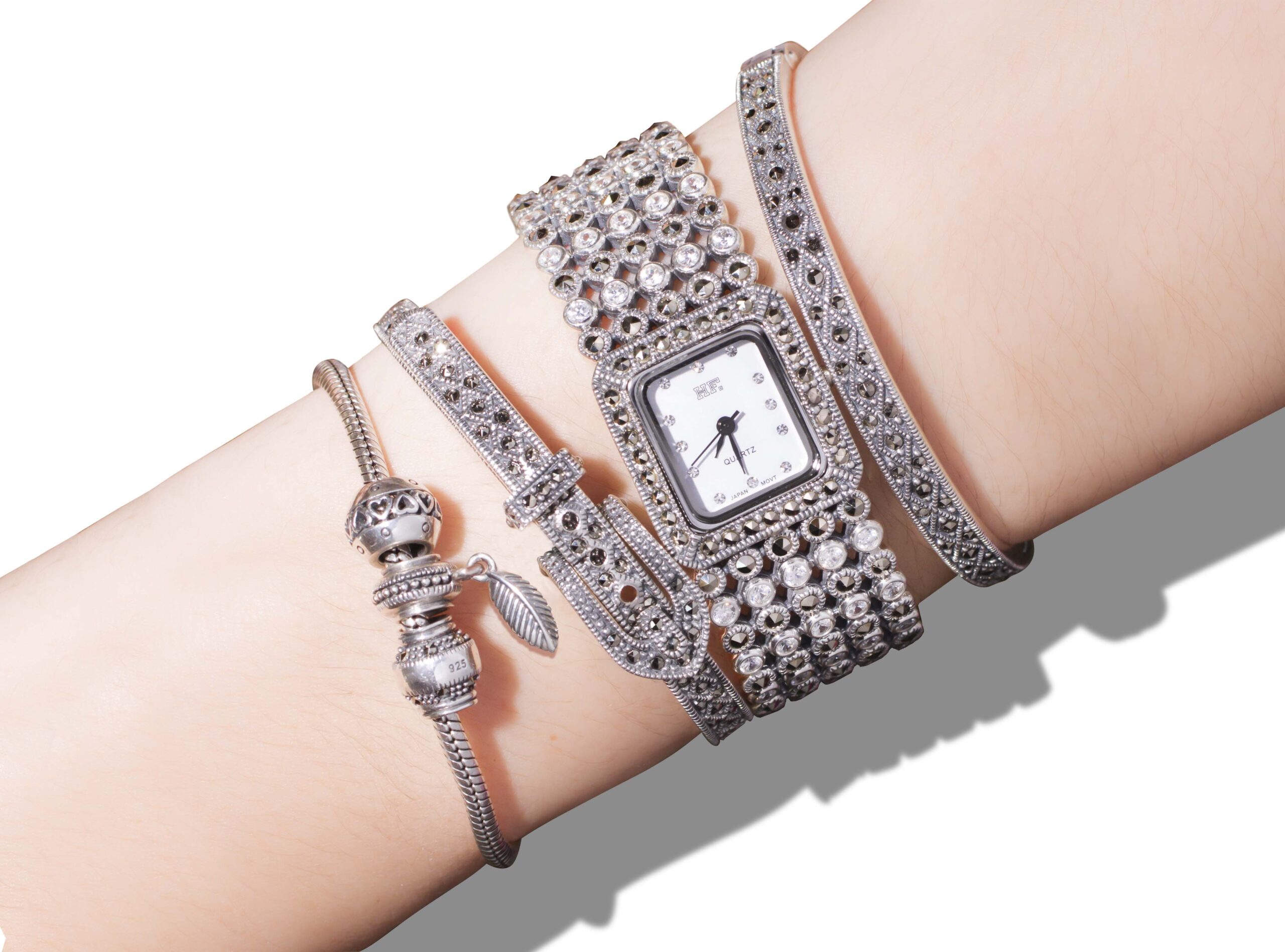
Many export markets require certified silver jewellery to comply with import regulations. Certification simplifies customs clearance and reduces the risk of shipment delays or rejections, making it essential for global trade.
Certification vs Quality Control
While certification confirms purity and compliance, internal quality control ensures consistent production standards. Both work together to maintain high-quality silver jewellery and protect brand reputation.
Communicating Certification to Customers
Clearly communicating certification details through product descriptions, packaging, and marketing materials increases transparency. Educating customers about certification marks helps reinforce trust and perceived value.
SEO Value of Silver Jewellery Certification Content
From an SEO perspective, silver jewellery certification targets trust-based and verification-focused search intent. When combined with keywords such as jewellery silver and sterling silver jewellery, it strengthens authority and conversion potential.
Conclusion
Silver jewellery certification provides assurance, transparency, and credibility in the silver jewellery market. By meeting recognized standards and clearly communicating certification, businesses can build trust and support sustainable growth.