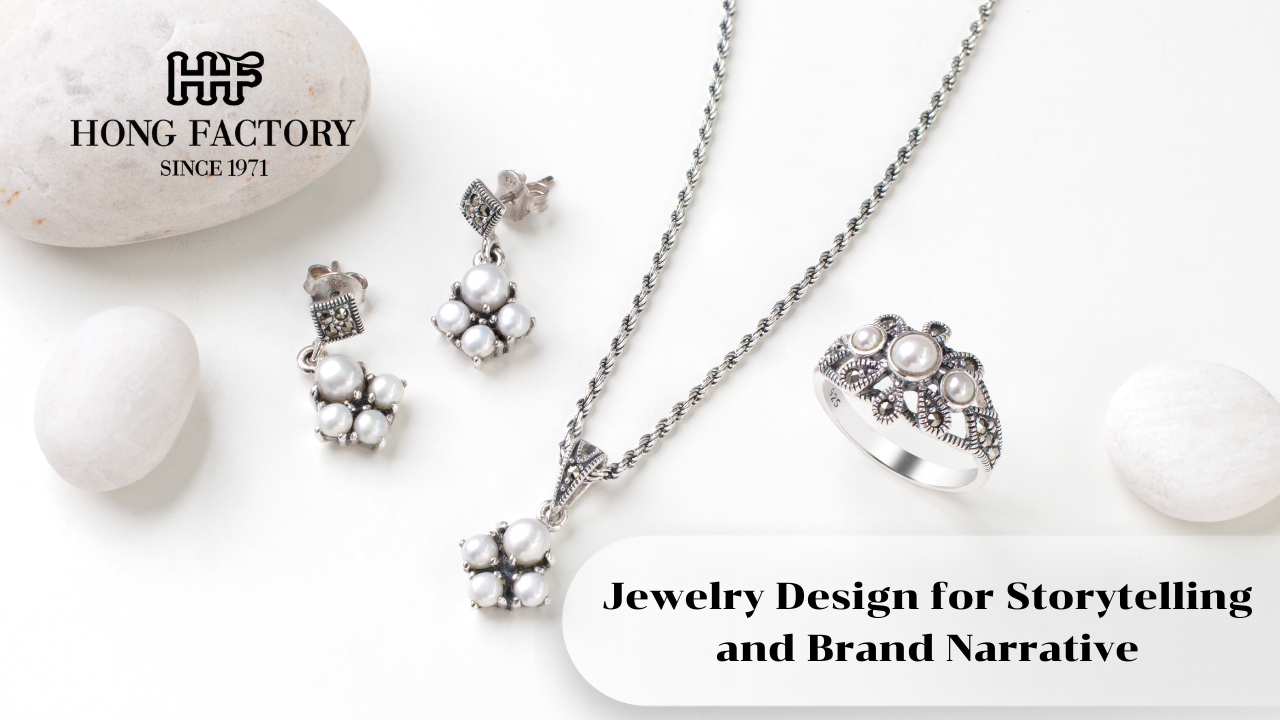
In a crowded jewelry market, products that tell a story stand out. Customers no longer buy jewelry only for appearance; they buy meaning, emotion, and identity. For silver and marcasite jewelry brands, jewelry design for storytelling and brand narrative transforms collections into experiences and builds deeper emotional connections with customers.
This article explores how jewelry design can communicate stories, strengthen brand narrative, and turn individual pieces into memorable expressions of purpose and identity. 925
Why Storytelling Matters in Jewelry Design
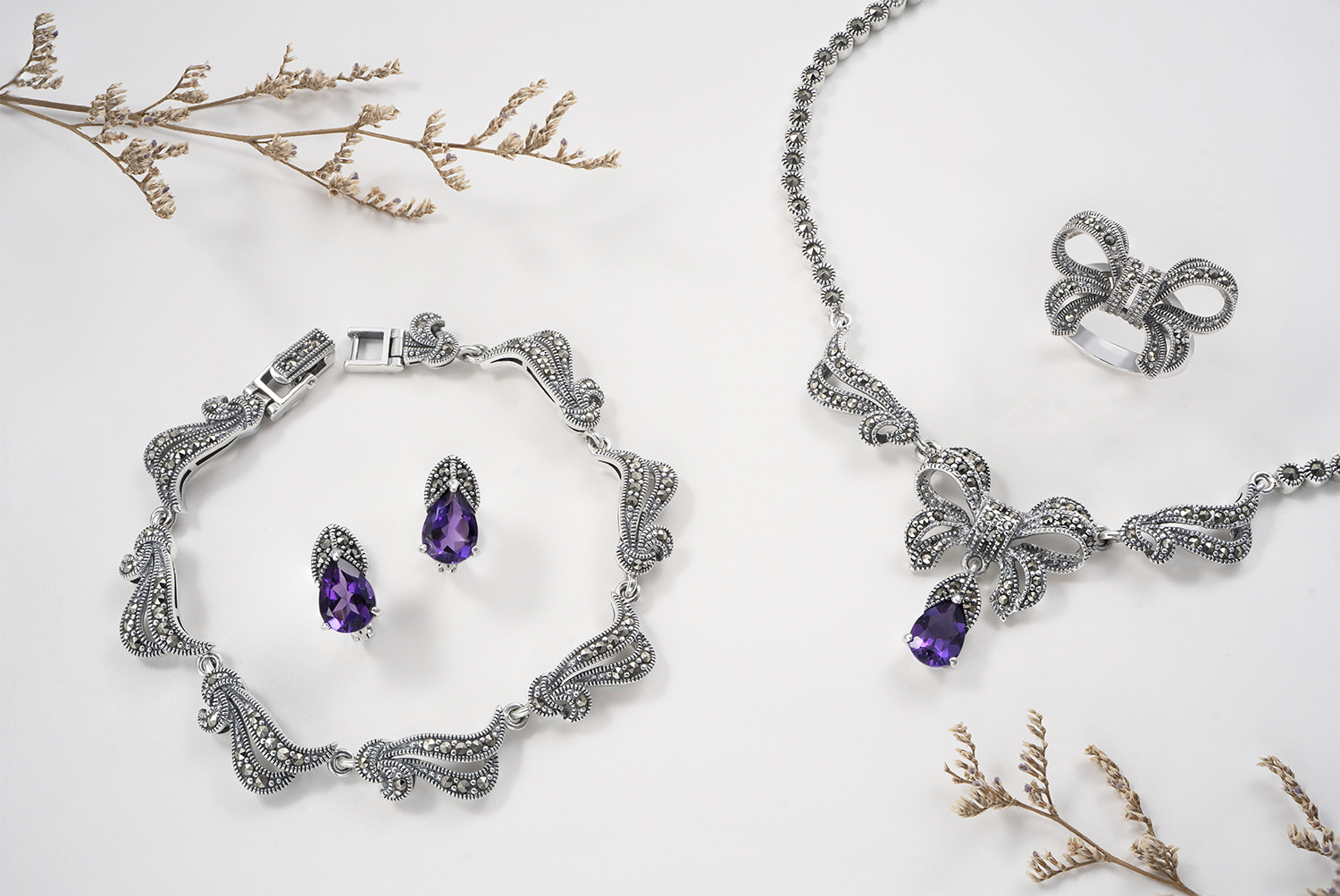
Stories create emotional value.
Jewelry storytelling helps brands:
- Differentiate beyond materials and price
- Create emotional attachment
- Increase memorability and brand recall
- Build long-term customer loyalty
A strong narrative makes jewelry meaningful, not interchangeable.
Understanding Brand Narrative in Jewelry
Narrative defines who you are.
A jewelry brand narrative includes:
- Brand origin and values
- Design inspiration and philosophy
- Craftsmanship approach
- Emotional promise to customers
Every design should reinforce this narrative.
Translating Stories into Jewelry Design Elements
Stories must be visible.
Design as a Storytelling Medium
Jewelry can express narrative through:
- Shapes and silhouettes
- Motifs and symbols
- Texture and surface detail
- Material selection and finish
Design choices should communicate intention without explanation.
Using Silver and Marcasite in Narrative Design
Materials carry meaning.
Silver as a Storytelling Base
Sterling silver represents:
- Timelessness and longevity
- Purity and clarity
- Accessibility with refinement
Silver supports narratives rooted in heritage and authenticity.
Marcasite for Depth and History
Marcasite adds:
- Vintage character and heritage cues
- Craftsmanship-focused detail
- Subtle drama without excess
It works especially well for stories inspired by history, romance, or tradition.
Narrative Themes Common in Jewelry Design
Themes guide cohesion.
Popular storytelling themes include:
- Nature and organic beauty
- Love, connection, and relationships
- Heritage and cultural memory
- Strength, transformation, and resilience
A clear theme ensures consistency across collections.
Designing Collections as Story Chapters
Collections should feel connected.
Chapter-Based Collection Design
Brands can structure collections as:
- Chapters of a larger brand story
- Seasonal interpretations of a core theme
- Different perspectives on a shared narrative
This approach encourages repeat engagement.
Symbolism and Meaningful Motifs
Symbols speak universally.
Designers often use:
- Hearts, infinity, and celestial symbols
- Botanical and animal motifs
- Geometric shapes with symbolic meaning
Subtle symbolism feels more sophisticated and enduring.
Storytelling Through Craftsmanship
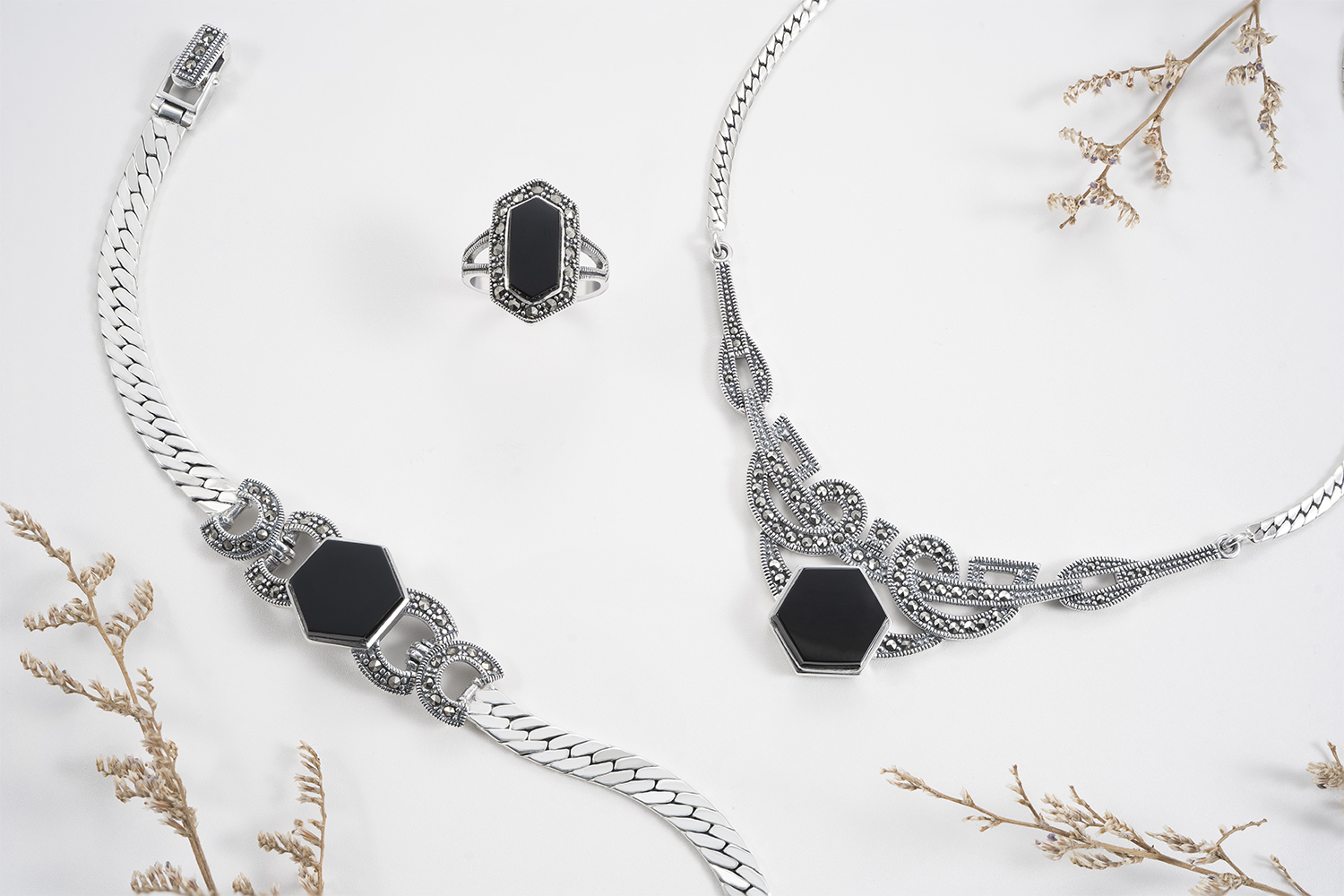
Process becomes part of the story.
Brands can highlight:
- Hand-setting techniques
- Traditional metalworking methods
- Attention to detail in marcasite placement
Craftsmanship storytelling elevates perceived value.
Emotional Storytelling for Gifting Jewelry
Gifts carry stories.
Designing for gifting involves:
- Universal emotional themes
- Timeless design language
- Clear symbolic intent
Story-driven gift jewelry feels intentional and meaningful.
Storytelling in Digital and E-commerce Design
Narratives must translate online.
Designs that support digital storytelling:
- Photograph clearly with narrative cues
- Work in close-up and lifestyle imagery
- Align with written stories and captions
Design and content should reinforce each other.
Consistency Between Design and Marketing Narrative
Alignment builds trust.
A strong brand ensures:
- Design reflects marketing language
- Visual identity supports storytelling
- Messaging matches customer experience
Inconsistency weakens narrative credibility.
Storytelling for Long-Term Brand Building
Stories grow over time.
Long-term narratives allow brands to:
- Evolve stories gradually
- Add depth with new collections
- Maintain customer interest without trend dependence
Narrative continuity supports longevity.
Avoiding Common Storytelling Design Mistakes
Poor storytelling confuses customers.
Mistakes to Avoid
- Overcomplicated or unclear themes
- Designs that require explanation to understand
- Story claims unsu pported by design quality
Authenticity is essential.
Measuring the Impact of Storytelling Design
Stories influence behavior.
Brands can evaluate storytelling success through:
- Customer engagement and feedback
- Emotional language in reviews
- Repeat purchases tied to collections
Design-driven stories leave measurable impact.
Integrating Storytelling Across Brand Touchpoints
Narrative should feel seamless.
Storytelling works best when aligned across:
- Jewelry design
- Packaging and presentation
- Website and social media
- Retail and customer experience
Design is the foundation of narrative consistency.
Long-Term Value of Storytelling in Jewelry Design
Stories create emotional equity.
Brands that design with storytelling:
- Build deeper customer relationships
- Reduce price sensitivity
- Create lasting brand identity
Story becomes a strategic asset.
Conclusion
Jewelry design for storytelling and brand narrative turns products into emotional experiences. By embedding meaning into design elements, using materials like silver and marcasite thoughtfully, and aligning collections with authentic narratives, jewelry brands can connect deeply with customers. In an industry driven by emotion and memory, storytelling design transforms jewelry from an object into a lasting expression of identity and purpose.