Introduction to Jewelry Catalogs

A well-designed catalog is a powerful sales tool in the wholesale marcasite jewelry business. It helps showcase your products clearly, communicate your brand identity, and make it easy for buyers to browse and place orders.
Whether you sell to retailers, boutiques, or online customers, a professional catalog can increase trust, improve conversion rates, and streamline your sales process.
Why a Catalog is Important
A strong catalog allows you to:
- Present products in an organized way
- Highlight best-selling and new items
- Support sales teams and wholesale buyers
- Strengthen brand image
For wholesale businesses, a catalog is often the first impression you make on potential clients.
Types of Jewelry Catalogs
Digital Catalog
Digital catalogs are the most popular today.
Benefits:
- Easy to share online
- Cost-effective
- Quick to update
Printed Catalog
Printed catalogs are useful for meetings and trade shows.
Benefits:
- Tangible and professional
- Ideal for face-to-face sales
Interactive Catalog
Interactive catalogs include clickable links and videos.
Benefits:
- Enhanced user experience
- Higher engagement
Structuring Your Catalog
A clear structure improves usability.
Recommended layout:
- Cover page (brand name and theme)
- Introduction or brand story
- Product categories (rings, earrings, necklaces, bracelets)
- Individual product pages
- Contact and ordering information
A clean structure makes it easier for buyers to navigate.
Organizing Products by Category
Group products logically:
- Rings
- Earrings
- Pendants and necklaces
- Bracelets
Within each category, organize by style (vintage, modern, minimalist) or price range.
This helps buyers find products quickly.
Product Presentation Tips
Each product should include:
- High-quality image
- Product name or code
- Material details (925 silver, marcasite)
- Size and specifications
- Price or MOQ (for wholesale)
Clear information reduces confusion and speeds up decision-making.
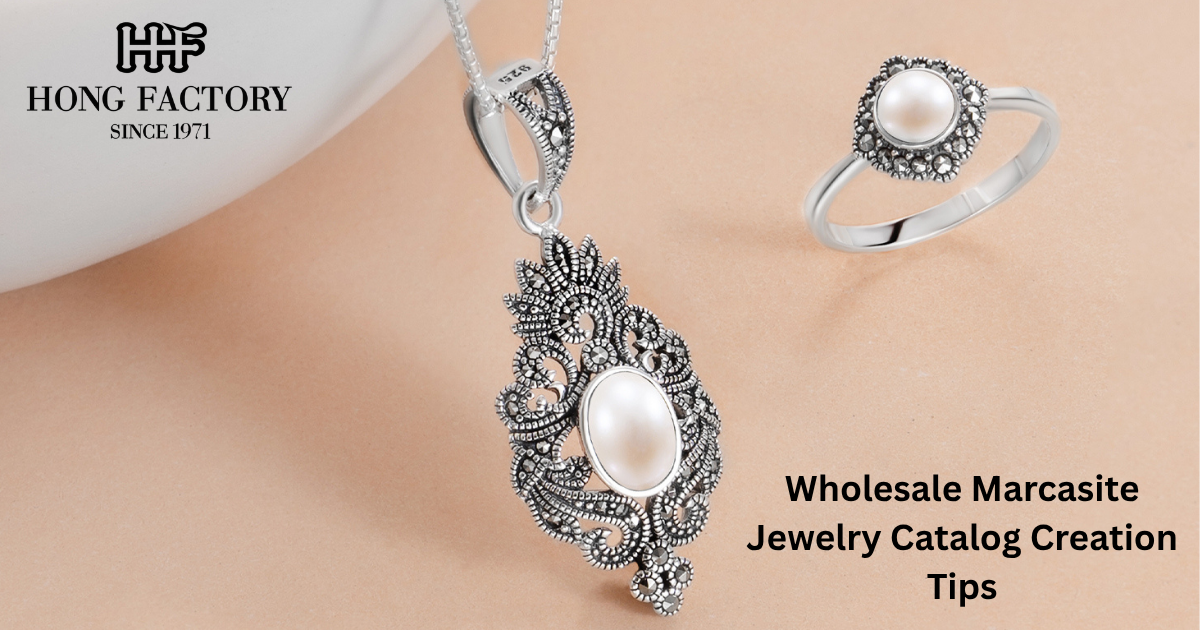
Photography for Catalogs
Visuals are critical in jewelry catalogs.
Best practices:
- Use high-resolution images
- Show multiple angles
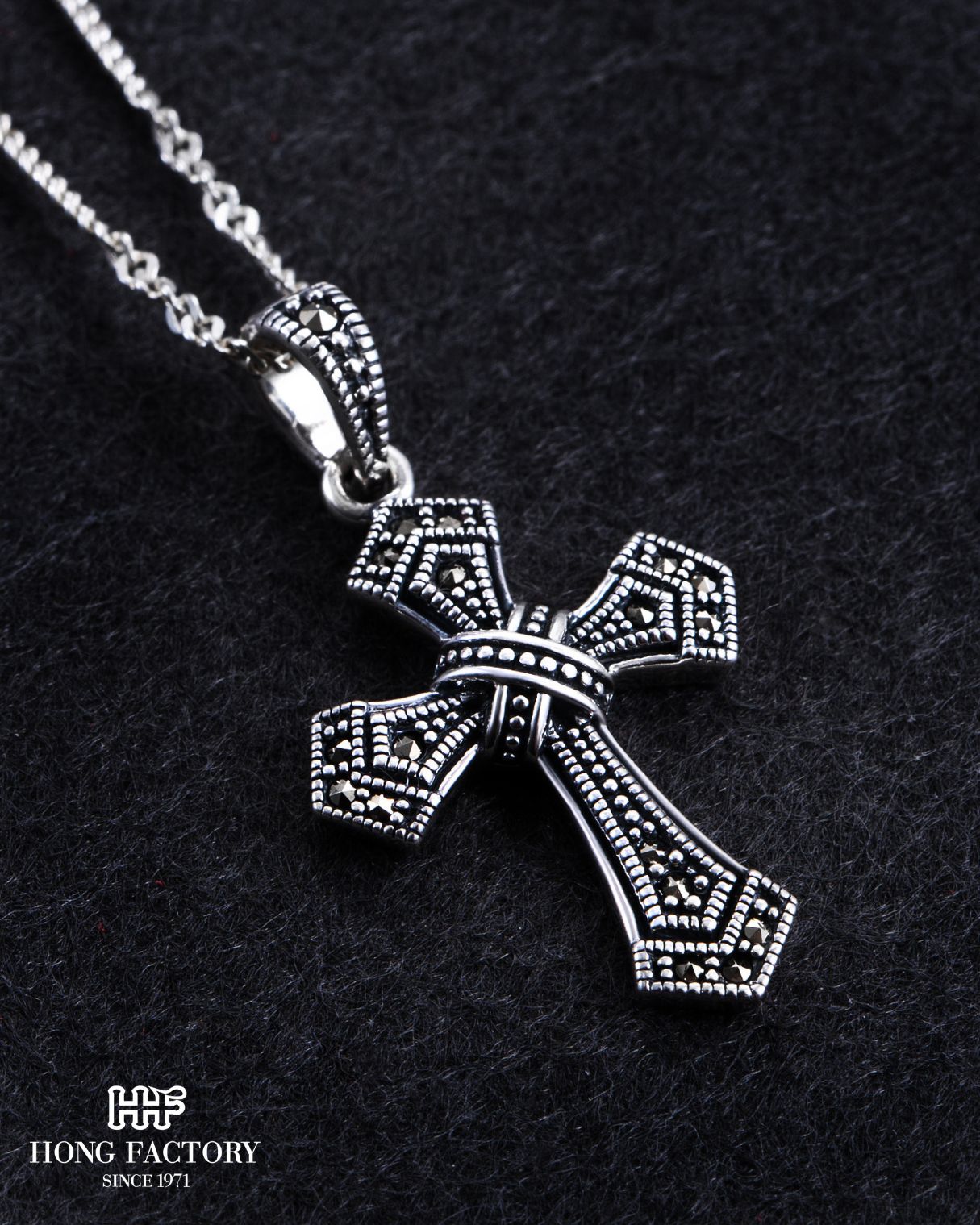
- Include close-ups for detail
- Maintain consistent lighting and background
Professional photos increase perceived value.
Branding and Design Consistency
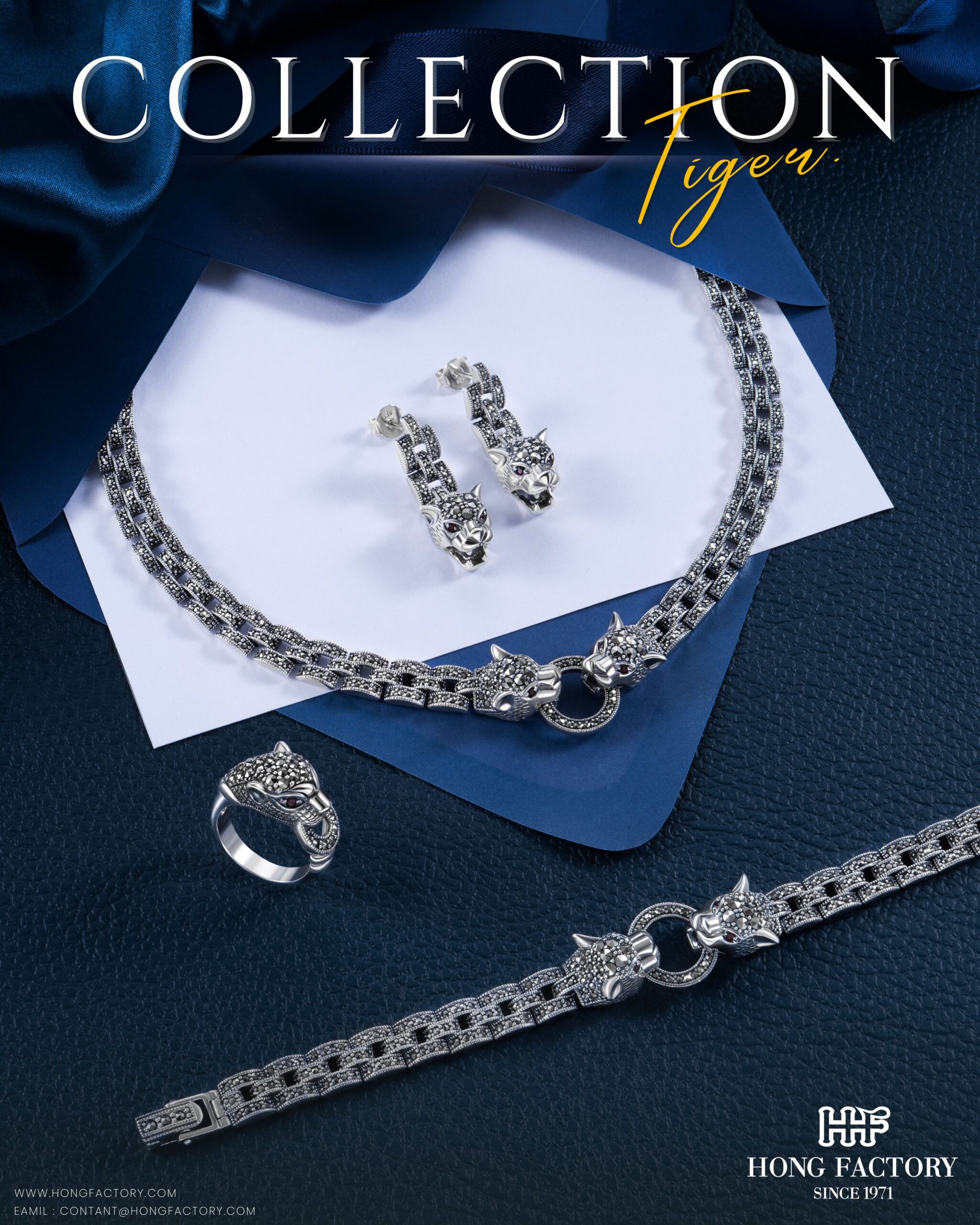
Your catalog should reflect your brand identity.
Ensure:
- Consistent color scheme
- Matching fonts and layout
- Clean and elegant design
Consistency builds trust and professionalism.
Highlighting Best Sellers and New Arrivals
Make important products stand out:
- Use labels like “Best Seller” or “New”
- Feature top products on the first pages
This guides buyers toward high-demand items.
Pricing and Order Information
Include clear pricing details:
- Wholesale price tiers
- MOQ requirements
- Bulk discounts
Also provide ordering instructions:
- Contact details
- Payment methods
- Shipping options
Clear information simplifies the buying process.
Using Catalogs for Sales and Marketing
Catalogs can be used in multiple ways:
- Send to potential buyers
- Share on your website
- Use in social media promotions
A good catalog supports both sales and marketing.
Updating Your Catalog Regularly
Keep your catalog up to date:
- Add new products
- Remove discontinued items
- Update prices
Regular updates keep your business relevant.
Common Mistakes to Avoid
- Poor image quality
- Overcrowded layout
- Missing product details
- Inconsistent design
Avoiding these mistakes improves effectiveness.
Best Strategy for PBN and SEO Use
Catalog-related content is useful for SEO. Target keywords like “jewelry catalog design,” “wholesale jewelry catalog,” and “product catalog tips.”
Optimization tips:
- Use clear H1 and H2 headings
- Focus on practical guidance
- Include long-tail keywords
- Link related branding and photography articles
This builds authority and attracts business-focused readers.
Conclusion
A well-designed wholesale marcasite jewelry catalog is an essential tool for growing your business. By focusing on structure, presentation, and branding, you can create a catalog that attracts buyers and increases sales.
With consistent updates and strong visuals, your catalog can become a key asset in your marketing and sales strategy.