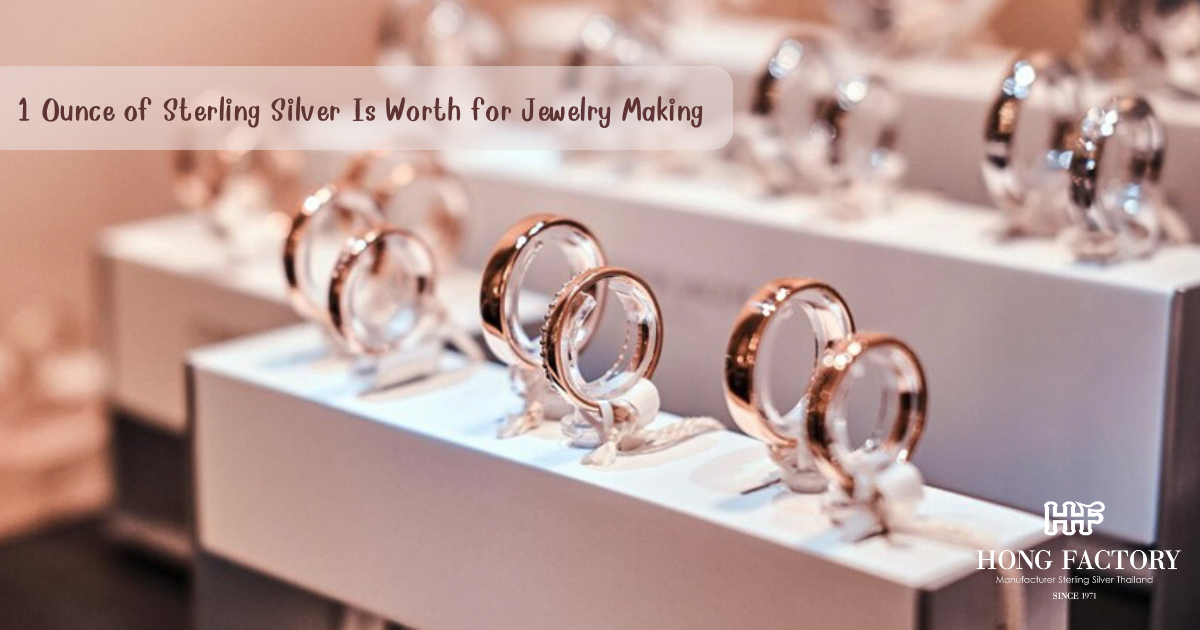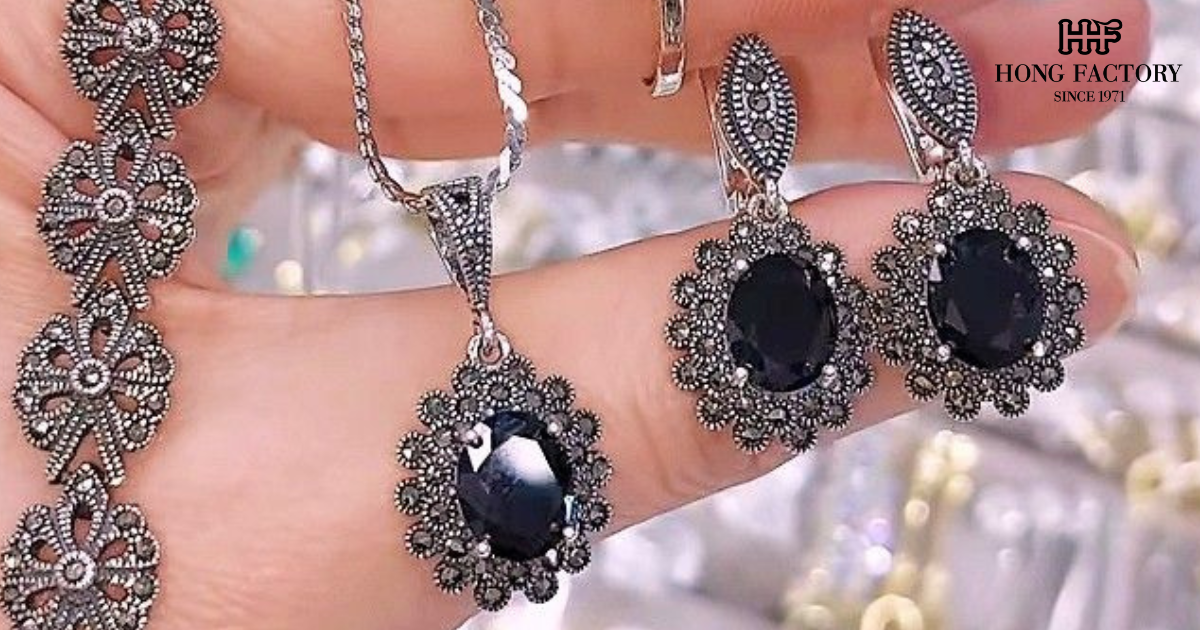
Marcasite jewelry has long been admired for its vintage elegance and meticulous handcraft. In recent years, however, designers have begun to reimagine marcasite through the lens of modern innovation. By blending traditional techniques with contemporary aesthetics, technology, and new consumer expectations, marcasite jewelry is evolving into a dynamic category that bridges heritage and modernity.
This chapter explores innovation in modern marcasite jewelry design, highlighting how designers adapt classic craftsmanship to today’s fashion, technology, and lifestyle trends. marcasite stone
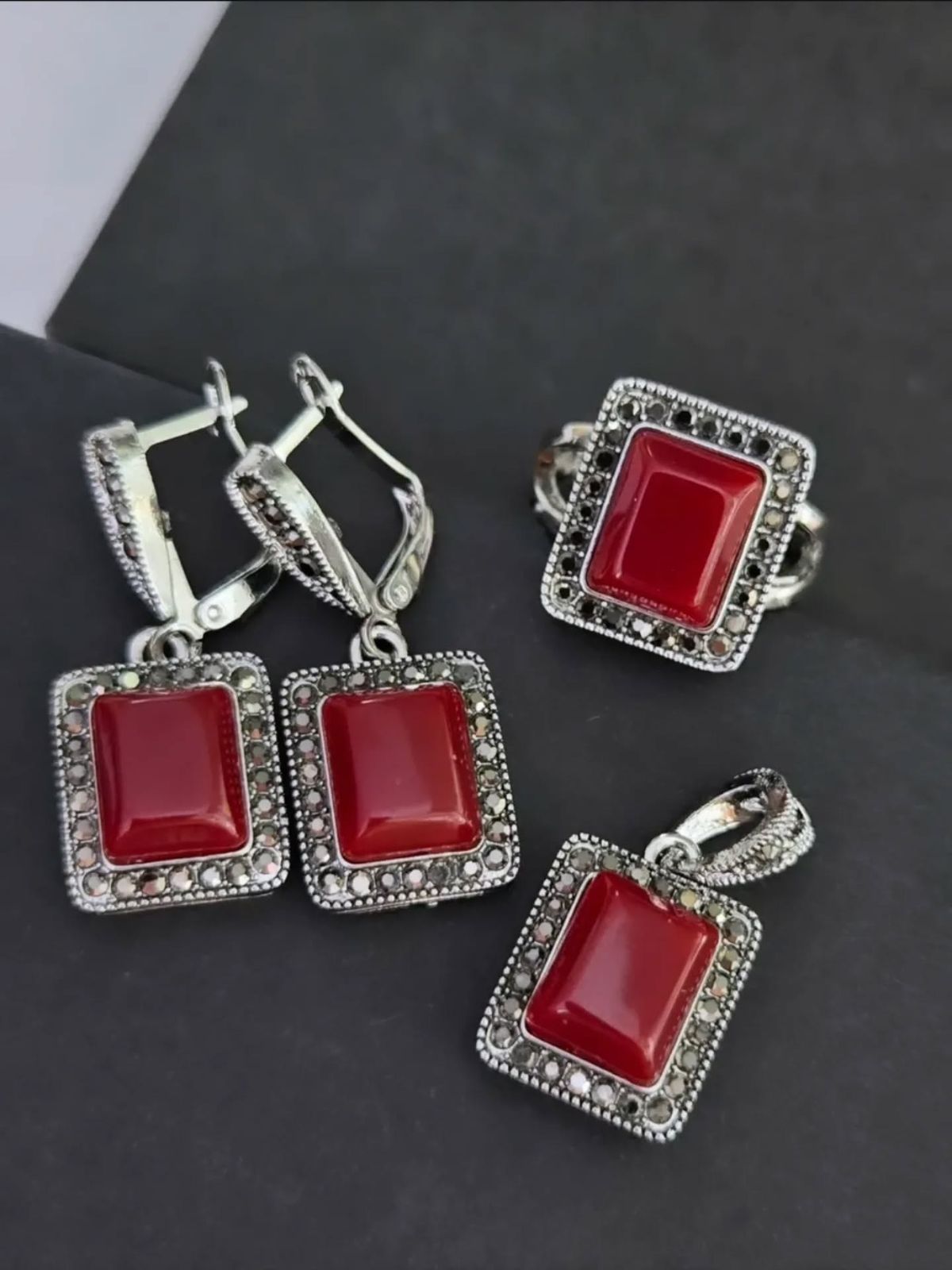
The Balance Between Tradition and Innovation
Innovation in marcasite jewelry does not replace tradition—it builds upon it.
Core elements that remain unchanged:
- Hand-set marcasite stones
- Sterling silver as the primary metal
- Attention to fine detail
- Respect for historical motifs
Innovation enhances these foundations by introducing new forms, functions, and creative expressions.
1. Modern Minimalist Interpretations
One of the strongest design shifts is toward minimalism.
Modern minimalist marcasite designs include:
- Slim rings with subtle marcasite accents
- Clean geometric pendants
- Small stud earrings with micro-set stones
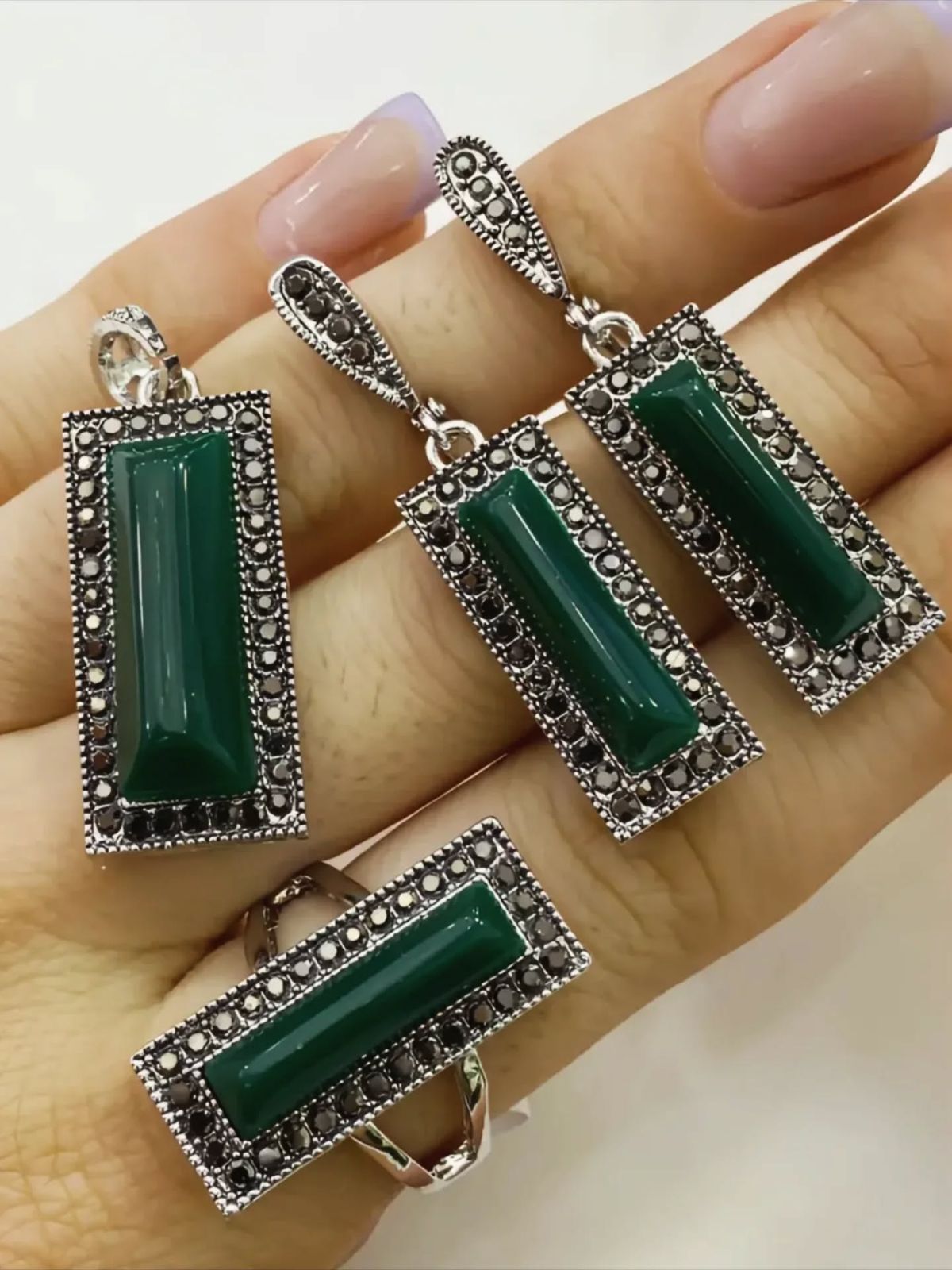
- Linear or bar-shaped silver forms
These designs appeal to younger consumers seeking understated elegance for everyday wear.
2. Experimental Shapes and Sculptural Forms
Designers are pushing boundaries by experimenting with form.
Innovative approaches:
- Asymmetrical designs
- Sculptural silver frameworks
- Layered and floating stone effects
- Architectural-inspired structures
Marcasite’s reflective texture adds depth to these contemporary shapes.
3. Fusion of Marcasite with Alternative Materials
Modern design often involves unexpected combinations.
Popular material pairings:
- Oxidized or blackened silver
- Rose gold accents
- Enamel color detailing
- Leather or textile elements
These combinations refresh marcasite’s image while preserving its identity.
4. Technology-Driven Design Processes
Technology plays an important role in modern marcasite innovation.
Key technological tools:
CAD (Computer-Aided Design)
Allows precise modeling and experimentation.
3D Printing (Prototyping)
Enables rapid testing of complex forms before hand-setting stones.
Laser Cutting and Engraving
Enhances precision and consistency in silverwork.
Despite these tools, final stone-setting remains a manual, artisanal process.
5. Customization and Personal Design
Personalized jewelry is one of the fastest-growing segments.
Innovative customization options:
- Initial or name pendants with marcasite accents
- Zodiac and birth symbol designs
- Birthstone + marcasite combinations
- Engraved silver paired with symbolic motifs
Customization strengthens emotional connection and brand loyalty.
6. Gender-Neutral and Inclusive Design
Modern fashion increasingly embraces inclusivity.
Design features supporting gender-neutral styles:
- Clean lines and geometric shapes
- Adjustable sizing
- Neutral finishes
- Symbolic motifs rather than ornamental florals
Marcasite adapts well to unisex aesthetics.
7. Modular and Convertible Jewelry Concepts
Innovation also focuses on versatility.
Examples of modular designs:
- Earrings that convert from studs to drops
- Pendants that detach from chains
- Rings with interchangeable components
These concepts allow wearers to style jewelry in multiple ways.
8. Contemporary Motifs and Themes
Modern marcasite designers explore new symbolic themes.
Trending motifs include:
- Celestial symbols (stars, moons, constellations)
- Abstract geometry
- Minimalist nature forms
- Spiritual and talismanic icons
These themes align with modern self-expression.
9. Influence of Global Design Aesthetics
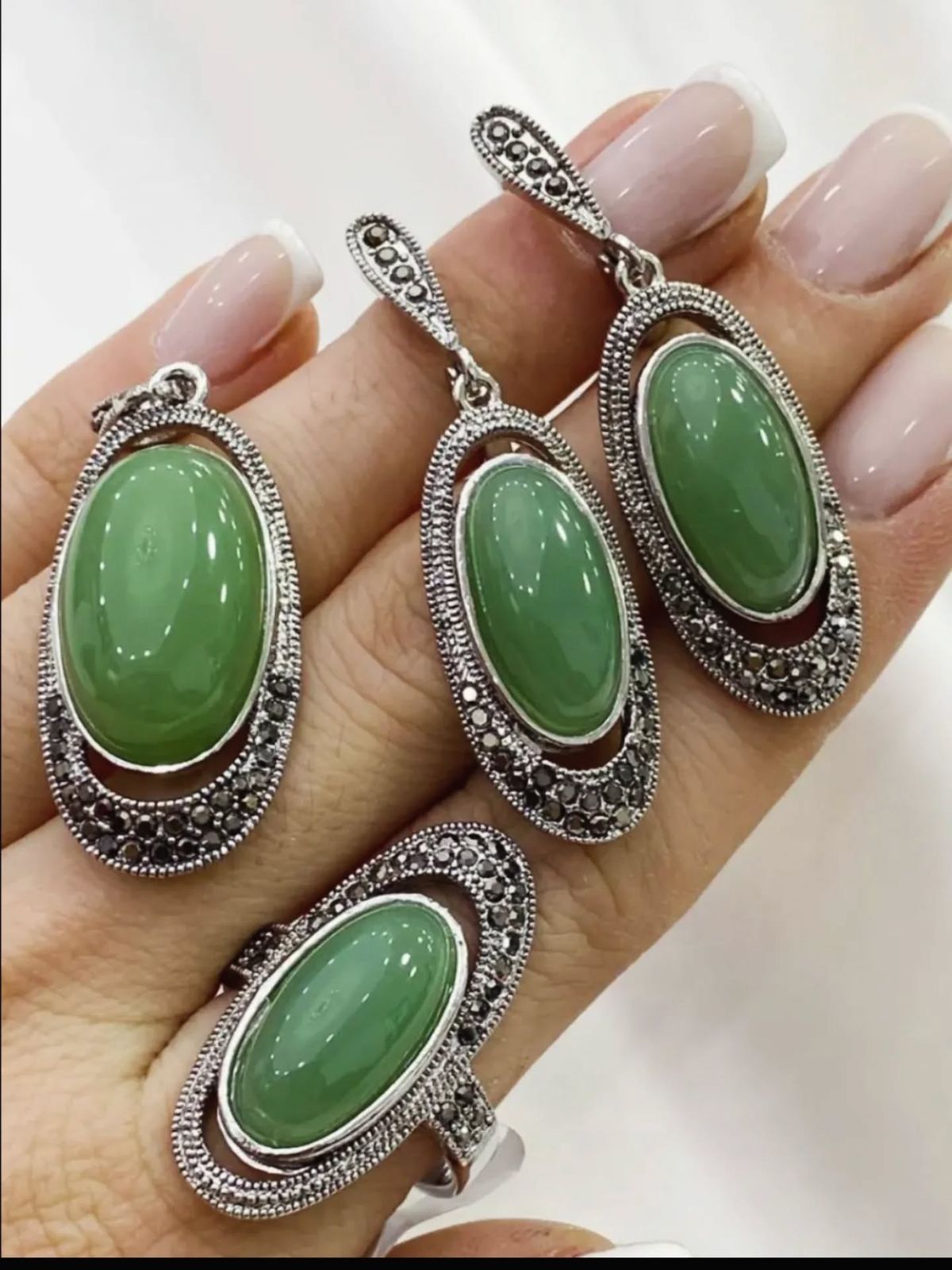
Globalization inspires cross-cultural innovation.
Fusion design examples:
- Art Deco geometry with Asian symbolism
- Western minimalism with Middle Eastern motifs
- Vintage European styles with modern Asian craftsmanship
This cross-pollination keeps marcasite globally relevant.
10. Innovation in Surface Finishes
Surface treatment dramatically changes visual impact.
Modern finish techniques:
- Matte and satin silver
- High-contrast oxidation
- Mixed polish textures
These finishes add depth and modern character to marcasite jewelry.
11. Lightweight and Wearable Design Focus
Comfort is a priority for modern consumers.
Innovations include:
- Thinner silver structures
- Optimized stone placement
- Ergonomic shapes
Lightweight designs expand marcasite’s everyday wear appeal.
12. Sustainability-Driven Design Innovation
Eco-conscious design influences innovation.
Sustainable design strategies:
- Using recycled silver
- Reducing material waste
- Designing durable, long-lasting pieces
Sustainability and innovation go hand in hand.
13. Digital Inspiration and Trend Forecasting
Designers increasingly rely on digital data.
Tools shaping innovation:
- Social media trend analysis
- AI-assisted design inspiration
- Consumer feedback integration
These insights help brands stay ahead of trends.
14. Collaboration with Artists and Designers
Creative collaboration fuels innovation.
Collaboration formats:
- Artist-designed limited editions
- Fashion brand partnerships
- Cultural heritage collections
Collaborations bring fresh perspectives to marcasite design.
15. The Future of Innovative Marcasite Design
Innovation ensures longevity.
Future directions include:
- Smart jewelry integration (wearable tech accents)
- Advanced customization platforms
- Greater fusion of art, fashion, and craftsmanship
Marcasite’s adaptability ensures it remains relevant in a changing market.
Conclusion
Innovation in modern marcasite jewelry design is driven by a thoughtful balance between tradition and creativity. By embracing technology, personalization, inclusivity, and sustainability, designers continue to redefine what marcasite jewelry can be. As new generations seek meaningful, stylish, and versatile accessories, marcasite stands ready to evolve—honoring its past while shaping the future of contemporary jewelry design.
In the next chapter, we will explore marcasite jewelry and future consumer lifestyles, examining how changing habits and values influence design and demand.