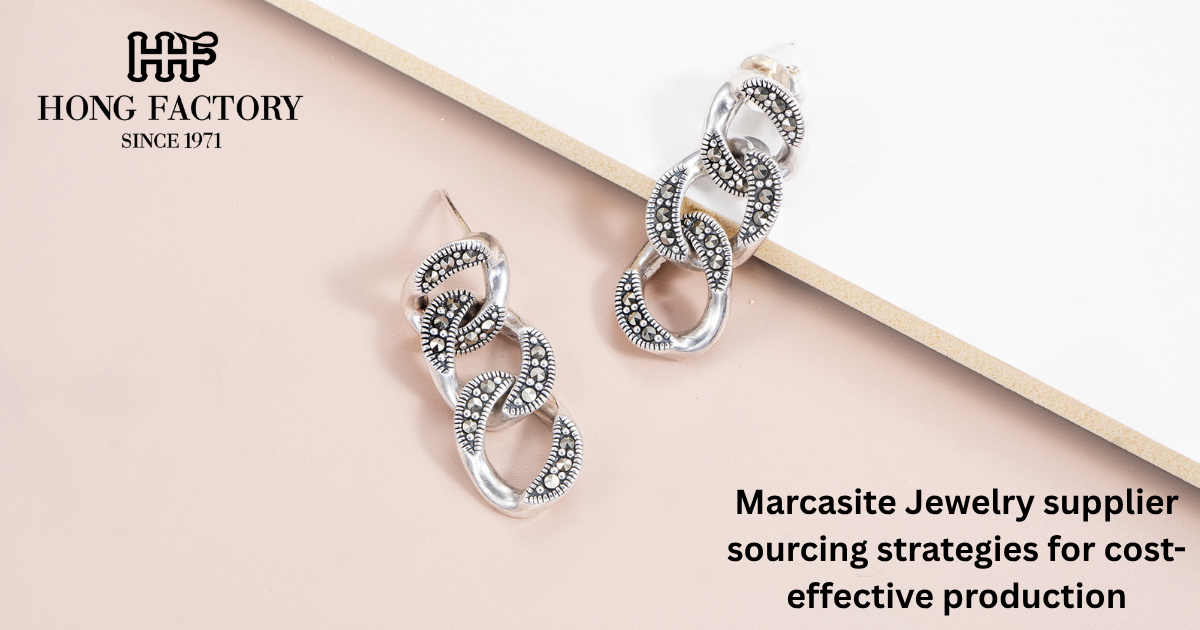
Marcasite Jewelry supplier sourcing strategies for cost-effective production and consistent quality
Why sourcing strategy determines profitability
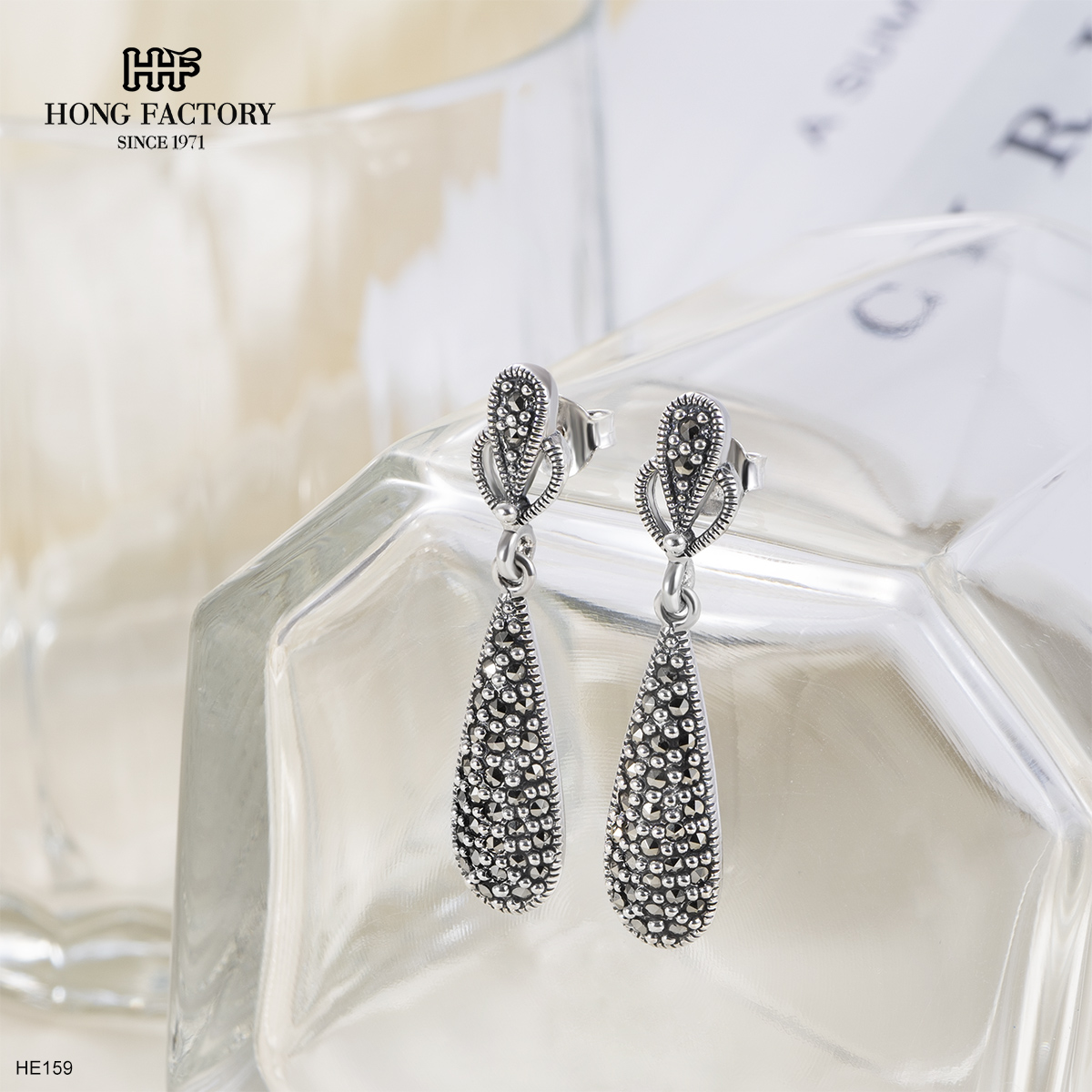
Supplier sourcing is one of the biggest levers in a marcasite jewelry business. The right partners can lower costs, improve quality, and stabilize lead times—while poor sourcing leads to defects, delays, and margin loss. A structured sourcing strategy ensures cost efficiency without sacrificing standards. Marcasite Jewelry supplier
Defining clear sourcing requirements
Before contacting suppliers, document your requirements:
- Product specs (925 silver, stone grade, finish)
- Target price range and volumes
- Quality standards and tolerances
- Lead time expectations
Clear specs reduce miscommunication and speed up negotiations.
Building a qualified supplier shortlist
Identify and vet multiple suppliers:
- Manufacturer capabilities (stone setting, finishing)
- Production capacity and scalability
- Export experience and documentation
Use samples and references to validate claims.
Comparing total cost, not just unit price
Evaluate total landed cost:
- Unit price
- Packaging and labeling
- Shipping, duties, and insurance
- Defect rate and rework cost
The cheapest quote is not always the most profitable.
Sample testing and golden sample approval
Request samples and approve a golden sample:
- Verify stone quality and consistency
- Check setting tightness and finishing
- Document specs as the production benchmark
This becomes your QC reference for all orders.
Negotiating pricing and terms
Use leverage points to improve deals:
- Volume commitments and tiered pricing
- Long-term agreements for stable rates
- Mixed SKU MOQs to reduce risk
Negotiate both price and terms (payment, lead time).
Payment terms and cash flow management
Optimize payment structure:
- Start with 30/70 or 50/50
- Move to Net 30/45 as trust grows
Better terms improve cash flow and inventory flexibility.
Quality control alignment with suppliers
Set clear QC expectations:
- AQL levels and inspection methods
- Defect thresholds and remedies
- Replacement or credit policies
Aligning upfront prevents disputes later.
Dual sourcing for risk reduction
Avoid dependency on a single supplier:
- Maintain at least 2 qualified vendors per category
- Split orders strategically
Dual sourcing improves resilience and bargaining power.
Lead time management and planning
Agree on realistic timelines:
- Production lead times with buffers
- Rush order options for best-sellers
Reliable timelines reduce stockouts and lost sales.
Communication and documentation standards

Standardize communication:
- Tech packs and spec sheets
- Order confirmations and change logs
- Inspection reports with photos
Documentation ensures clarity and accountability.
Supplier performance tracking
Monitor KPIs:
- On-time delivery rate
- Defect/return rate
- Price stability
Use scorecards to compare and improve suppliers over time.
Continuous cost optimization
Work with suppliers to reduce cost:
- Material optimization (thickness, yield)
- Process improvements
- Packaging simplification
Collaborative optimization benefits both parties.
Ethical and sustainability considerations
Prefer responsible partners:
- Fair labor practices
- Cleaner production processes
- Traceable materials where possible
Responsible sourcing enhances brand value.
Scaling sourcing as demand grows
Prepare for scale:
- Increase capacity with primary suppliers
- Onboard backup vendors
- Forecast demand to secure materials early
Proactive planning prevents bottlenecks.
Common sourcing mistakes to avoid
- Choosing suppliers only by lowest price
- Skipping sample validation
- Poor documentation of specs
- Overreliance on a single vendor
Avoiding these protects margins and quality.
SEO strategy for sourcing content
Target keywords like “supplier sourcing strategy,” “jewelry manufacturer sourcing,” and “marcasite jewelry supplier.” This attracts B2B buyers and operators.
Internal linking for operations ecosystem
Link to QC checklist, pricing strategy, negotiation, and inventory management articles to build a complete operations hub.
Content structure for readability
Use H1, H2, H3 with bullet points and checklists for quick scanning and practical use.
Expanding keyword variations naturally

Include terms such as “procurement strategy,” “vendor management,” and “cost optimization” to enhance semantic SEO.
Conclusion
Marcasite jewelry supplier sourcing strategies are essential for cost-effective production and consistent quality. By combining rigorous vetting, clear standards, and smart negotiation, businesses can secure reliable partners and scale profitably.
For SEO and PBN strategies, sourcing-focused content attracts high-intent B2B users and supports long-term growth.