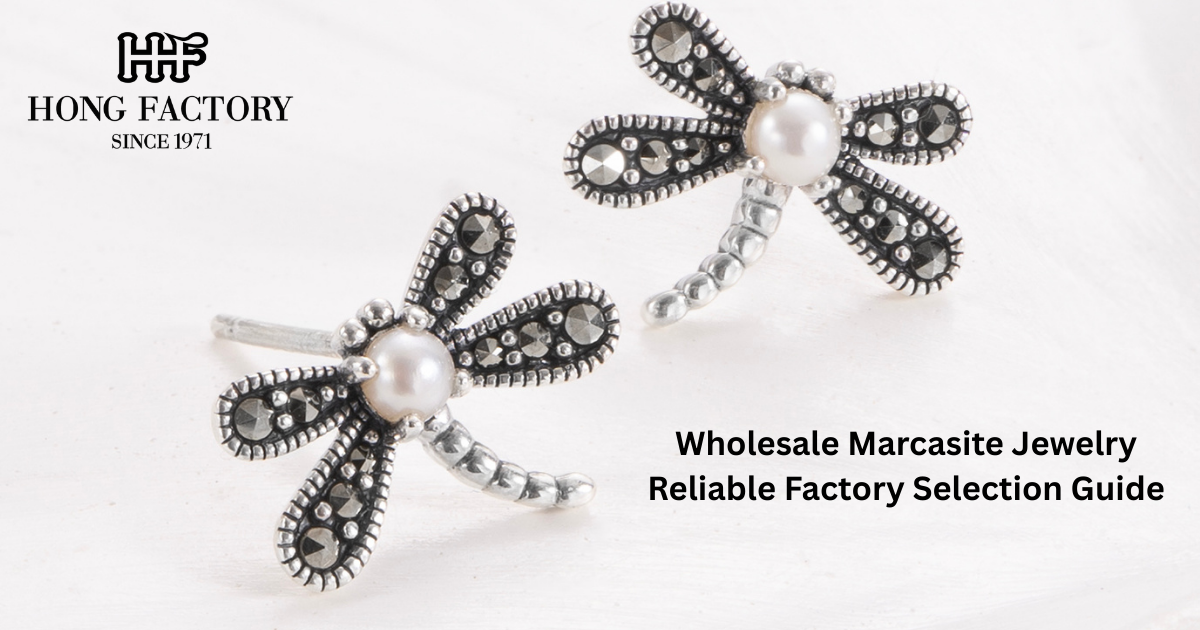
Wholesale marcasite jewelry retailers often depend on factories to supply high-quality products consistently. Because marcasite jewelry requires careful stone setting and detailed sterling silver craftsmanship, selecting the right manufacturing partner is one of the most important decisions for any jewelry business. A reliable factory ensures consistent production quality, timely delivery, and long-term business stability.
When retailers choose the right wholesale marcasite jewelry factory, they can build attractive collections and maintain strong relationships with customers. On the other hand, choosing an unreliable manufacturer can lead to delays, inconsistent quality, and potential damage to brand reputation. Understanding how to evaluate factories helps jewelry businesses reduce risks and build successful supply chains.
Understanding the Role of Jewelry Factories
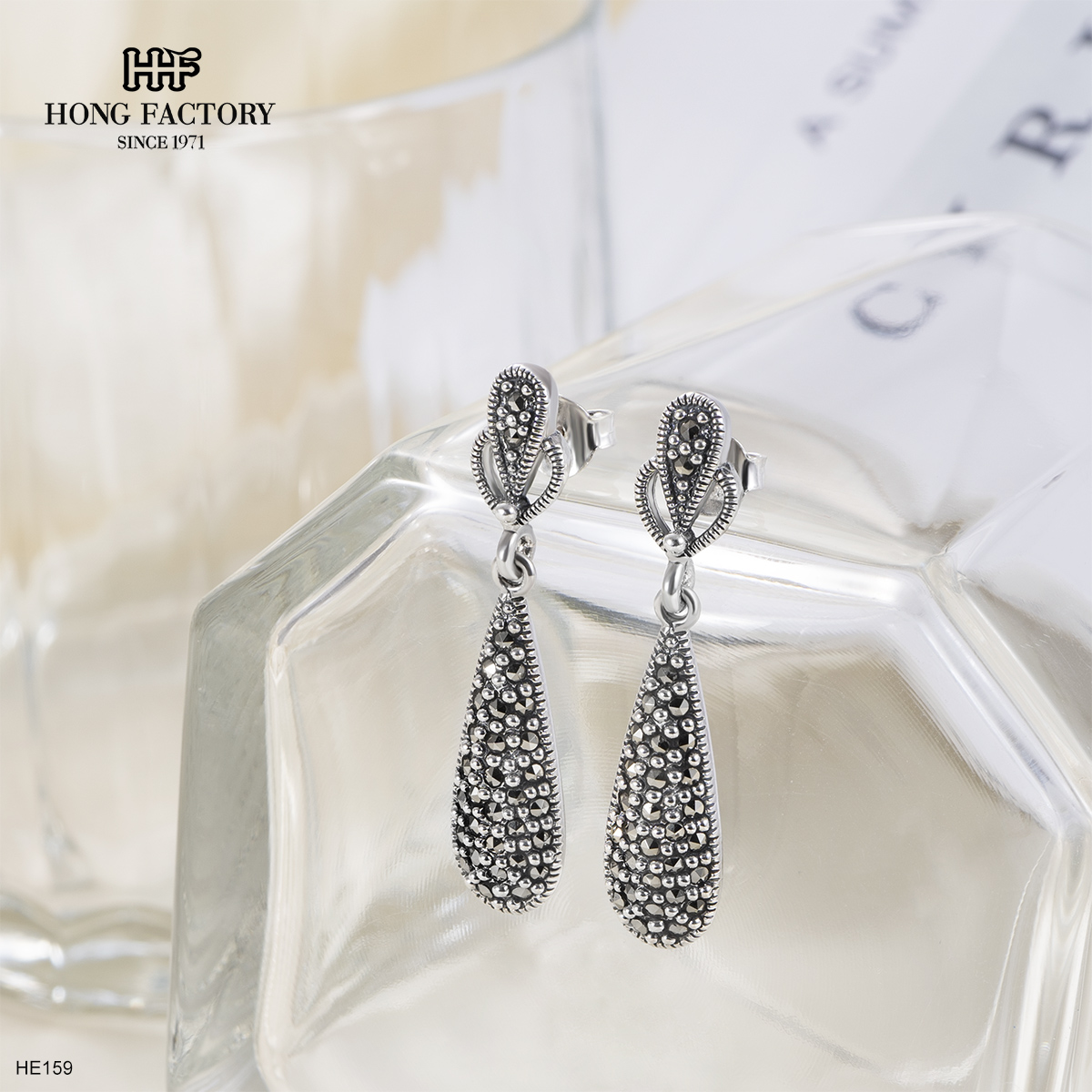
Jewelry factories are responsible for producing the physical products that retailers sell. In wholesale marcasite jewelry production, factories manage several stages of the manufacturing process including silver casting, stone setting, polishing, and finishing.
Factories typically work with professional artisans who specialize in placing small marcasite stones into sterling silver settings. Because the stones are very small and must be positioned precisely, this step requires significant skill and experience.
Reliable factories maintain strict production standards to ensure every jewelry piece meets consistent quality requirements.
Importance of Craftsmanship Quality
One of the most important factors when selecting a wholesale marcasite jewelry factory is craftsmanship quality. Marcasite jewelry is known for its intricate designs and detailed stone patterns, which require careful manufacturing techniques.
Retailers should inspect jewelry samples closely before choosing a factory. Important details to examine include secure stone placement, smooth silver surfaces, and balanced design symmetry. The stones should be evenly arranged and firmly set within the silver structure.
Factories that demonstrate strong craftsmanship skills are more likely to deliver consistent quality across large production orders.
Verifying Sterling Silver Standards
Most wholesale marcasite jewelry is made from 925 sterling silver. This metal composition contains 92.5 percent pure silver combined with other metals that improve durability.
Reliable factories clearly mark their jewelry with the “925” hallmark to confirm the authenticity of the silver. This stamp assures retailers and customers that the jewelry meets international silver standards.
Retailers should confirm that factories consistently use genuine sterling silver materials during production.
Maintaining high material standards strengthens product value and customer trust.
Evaluating Production Capacity
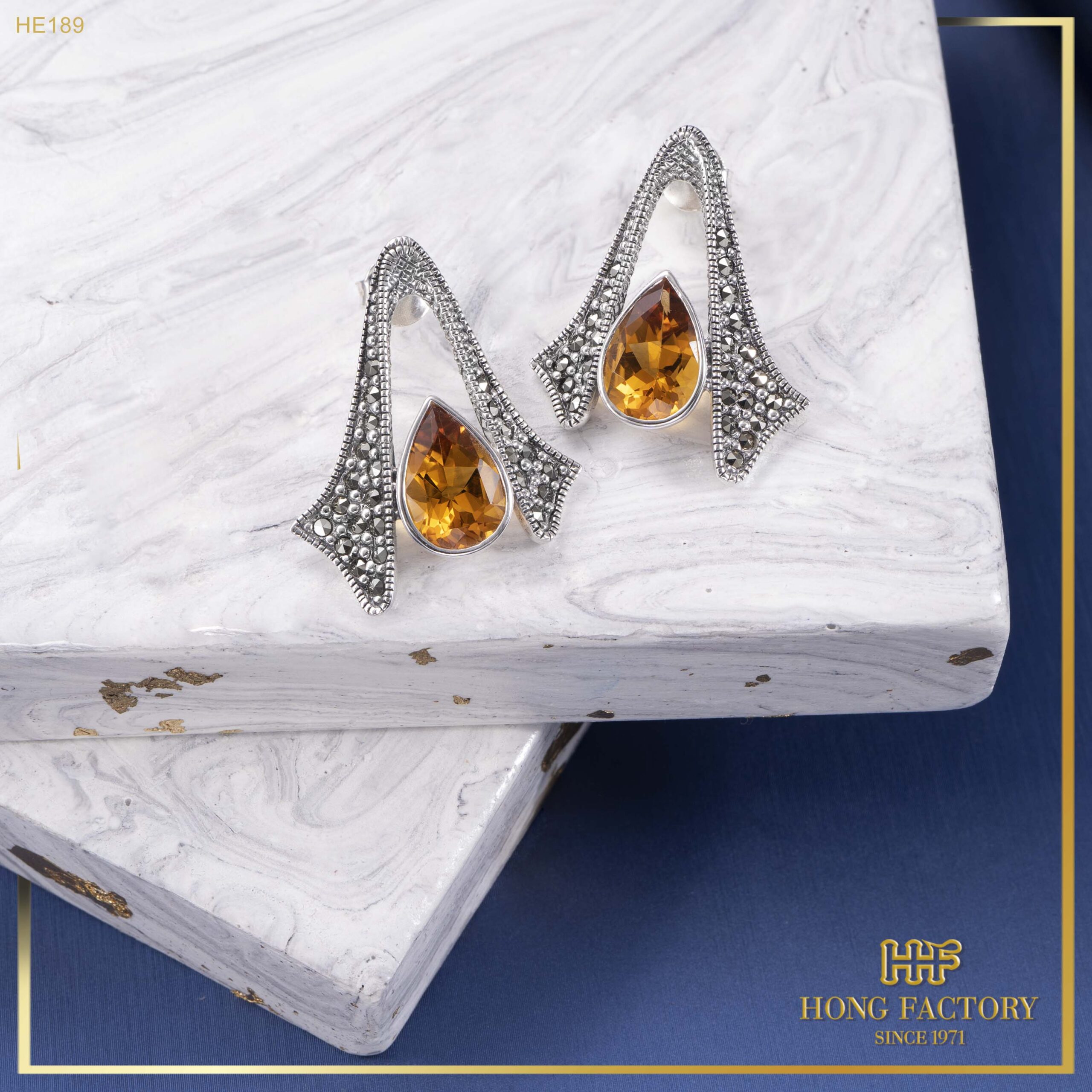
Production capacity is another important factor when selecting a jewelry factory. Retailers must ensure that the manufacturer can produce sufficient quantities of jewelry within the required timeline.
Factories with well-organized production systems can manage large wholesale orders while maintaining consistent quality. Modern equipment combined with skilled artisans allows these factories to scale production efficiently.
Retailers should discuss expected order volumes and production schedules with potential manufacturing partners.
Reliable capacity ensures that inventory levels remain stable.
Communication and Professional Support
Clear communication is essential when working with jewelry factories. Retailers often need to discuss product specifications, production timelines, and design adjustments.
Factories that respond quickly and provide clear information demonstrate professionalism and reliability. Good communication also helps resolve potential production issues before they affect delivery schedules.
Professional support becomes especially valuable when retailers request custom designs or private label collections.
Effective communication builds trust between retailers and manufacturers.
Requesting Product Samples
Before committing to a long-term partnership, retailers should request product samples from potential factories. Samples allow businesses to evaluate craftsmanship quality and overall design standards.
Examining samples helps retailers confirm that the jewelry matches the images shown in catalogs or product listings. It also provides an opportunity to test durability and finishing quality.
Factories that confidently provide samples usually demonstrate transparency and confidence in their manufacturing abilities.
Sample evaluation is an essential step in factory selection.
Assessing Quality Control Systems
Reliable factories maintain structured quality control processes throughout production. These inspections help identify potential issues such as loose stones, uneven polishing, or structural weaknesses.
Quality control typically occurs at several stages of production, including after stone setting and final polishing. Jewelry pieces that fail inspection are corrected before shipping.
Retailers who partner with factories that maintain strong quality control systems often experience fewer product returns and higher customer satisfaction.
Consistent quality is essential for long-term business success.
Logistics and Shipping Capabilities
Jewelry factories must also manage secure packaging and shipping procedures. Because marcasite jewelry includes delicate stones and polished silver surfaces, proper packaging is important for preventing damage during transportation.
Reliable factories usually package each jewelry piece individually before placing them in bulk shipping cartons. Retailers should confirm that the manufacturer uses protective packaging materials.
Factories with experience in international shipping also understand export documentation and customs requirements.
Efficient logistics support smooth wholesale operations.
Building Long-Term Manufacturing Partnerships
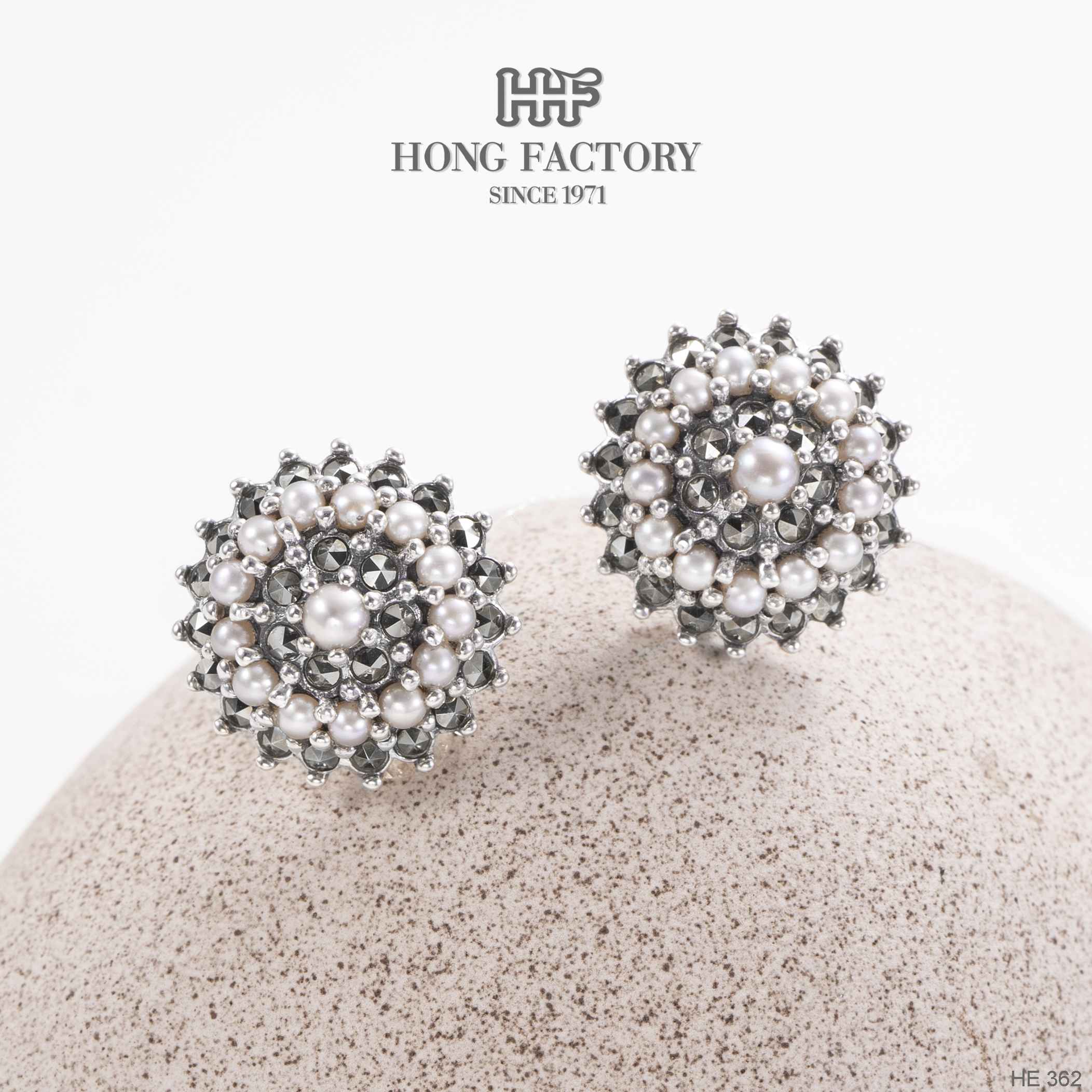
Many successful jewelry retailers build long-term relationships with their factories. Over time, these partnerships often become more collaborative and beneficial for both parties.
Factories may provide early access to new designs, flexible production schedules, or improved pricing structures for loyal clients. Retailers benefit from consistent product quality and stable inventory supply.
Strong partnerships also allow businesses to respond quickly to market trends and introduce new jewelry collections.
Long-term cooperation creates stability within the wholesale marcasite jewelry industry.
Conclusion
Selecting a reliable wholesale marcasite jewelry factory is essential for building a successful jewelry business. High-quality craftsmanship, genuine sterling silver materials, strong production capacity, and clear communication all contribute to a dependable manufacturing partnership.
By carefully evaluating factories and establishing long-term collaborations, jewelry retailers can maintain consistent product quality and support sustainable growth in the wholesale marcasite jewelry market.